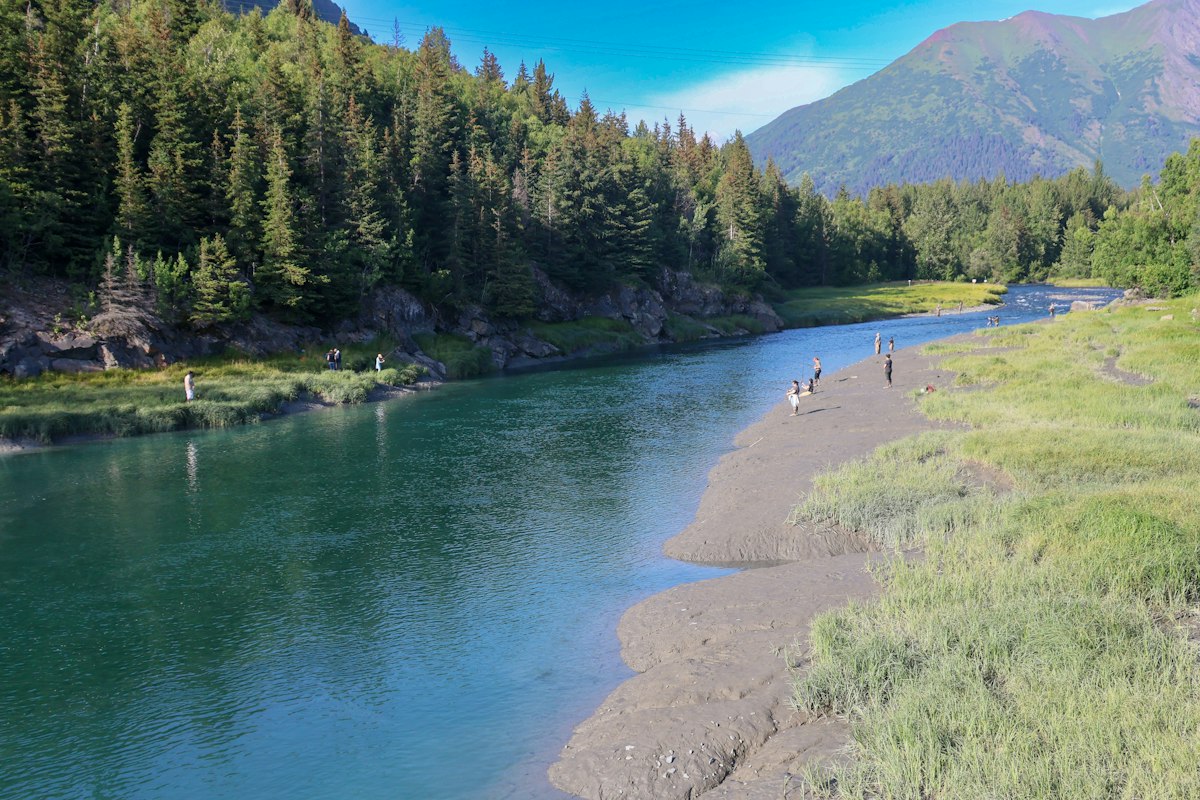
Illustrative fishing photography. Photo credits
Start with the right questions.
The most useful equipment is the equipment that fits how you fish. Before comparing brands, narrow your choices by the water, presentation, and practical details below.
- Match leader material and diameter to water clarity, cover, and target species.
- For fly fishing, choose a taper that turns over the fly without collapsing.
- Retie after abrasion and check knots with steady pressure before casting.
A CLOSER LOOK
Make the final connection deliberate.
The leader has to connect the main line to the presentation while handling the conditions at the business end. In clear, open water that may emphasize presentation; around structure or toothed fish the demands change. Choose material and diameter for the actual job rather than automatically selecting the thinnest option.
Learn a small number of suitable connections well and inspect them under steady tension before fishing. Carry organized spares so replacing a damaged leader is straightforward. With tapered fly leaders, notice when repeated changes have altered the taper enough to affect how the fly turns over.
Build a setup, not just a collection.
Think about the whole journey of a fishing day: carrying the equipment, rigging it with cold or wet hands, using it for several hours, and packing it away. A piece of tackle can look ideal on a specification sheet and still be awkward at the place you actually fish. Write down one job you need it to do before opening a product listing.
For example, an angler walking a wooded bank has different priorities from someone who can leave several outfits rigged on a boat. The walker may value compactness and quick access; the boat angler may value dedicated storage and a setup ready for each presentation. Neither needs to copy the other's equipment list.
A useful comparison sheet
| Question | What to compare |
|---|---|
| Will it fit my setup? | Actual dimensions, ratings, connections, and compatible materials. |
| Will it fit my day? | Carrying weight, access, weather exposure, and ease of handling. |
| What else will I need? | Line, mounts, batteries, cases, consumables, or replacement parts. |
| Can I keep using it? | Care instructions, service options, and parts availability. |
Make the first outing a useful test.
Start somewhere familiar. Rig the new item at home, check fit and operation, and bring the tools needed for adjustment. On the water, change one thing at a time. If the equipment feels awkward, note exactly when: carrying it, casting it, working a presentation, or landing a fish. Those observations are more useful than deciding that an entire category is good or bad after one session.
Afterward, remove moisture and debris according to the manufacturer's instructions. Inspect the points that experienced tension, rubbing, or contact with the bottom. Separate damaged tackle before your next trip; otherwise it is easy to put the same problem back into service in the dark.
Questions anglers ask
Should I buy the most expensive option I can afford?
Spend to solve a specific limitation. Fit, compatibility, and the right specification usually deserve attention before prestige or a long feature list. Leave room in the budget for the ordinary items that make the setup usable.
How do I know when it is time to upgrade?
Name the recurring problem first. If you cannot identify a job your current equipment fails to do, more practice or better maintenance may be the useful next step. If you can identify it, compare alternatives against that exact requirement.
A NOTE TO KEEP IN YOUR TACKLE BOX
A thin leader is not automatically better if rocks, teeth, or heavy cover are involved.
Compare your options.
Write down the specifications that matter for your setup before browsing. Check the seller's current product details, compatibility, return policy, and delivered cost.
Explore Leaders & tippet on Amazon
As an Amazon Associate I earn from qualifying purchases.
Browse on Amazon ↗This opens a category search. Products, prices, and availability are set by Amazon and its sellers. We do not claim hands-on testing or rank individual products here.
Keep learning from the source.
For gear and technique fundamentals, explore Take Me Fishing. For U.S. marine fishing resources, visit NOAA Fisheries. Always check the agency responsible for your exact fishing location for current rules.