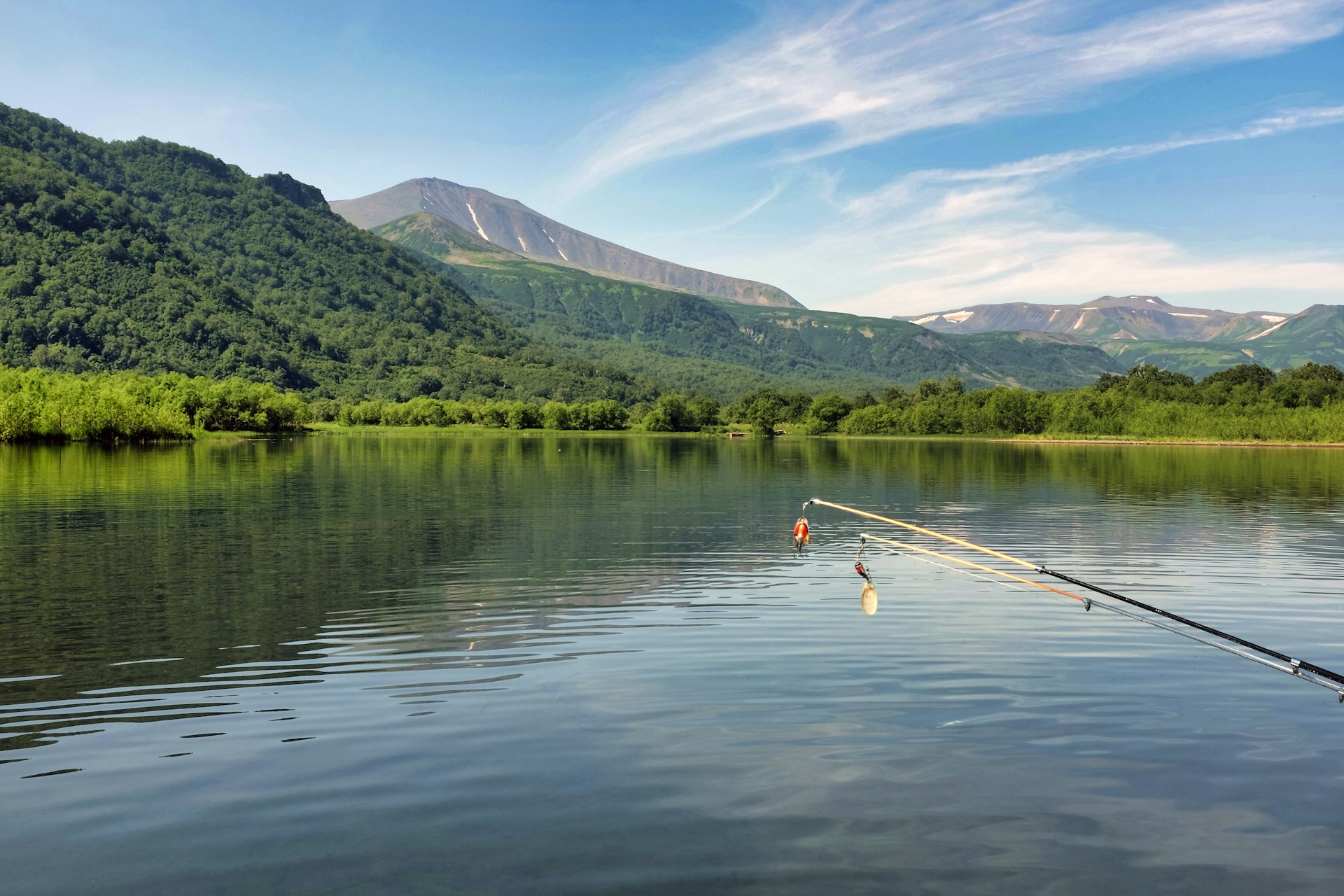
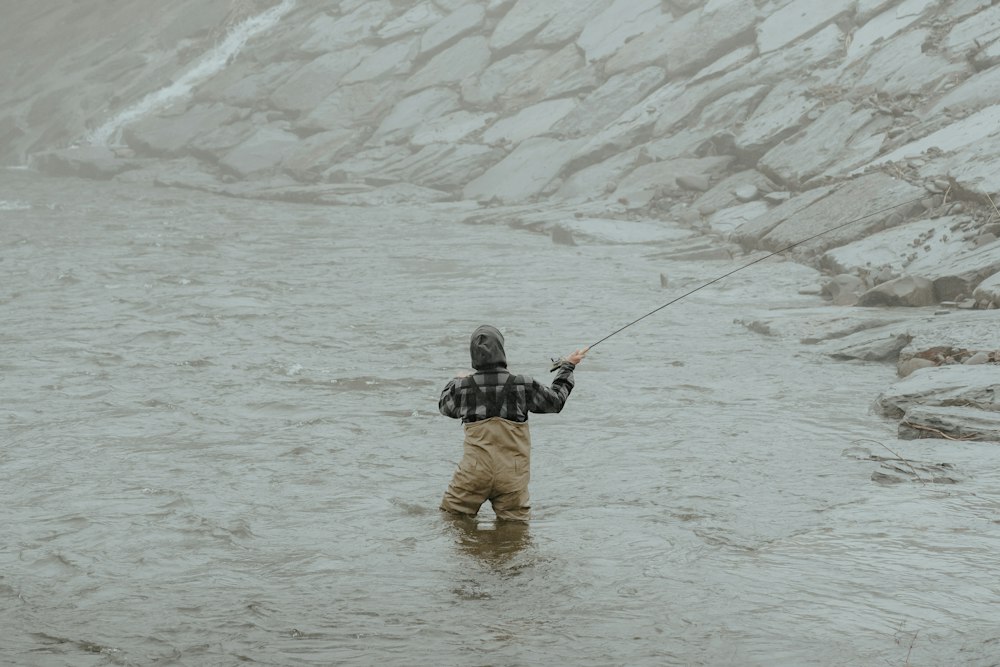
Illustrative fishing photography. Photo credits
Start with the right questions.
The most useful equipment is the equipment that fits how you fish. Before comparing brands, narrow your choices by the water, presentation, and practical details below.
- Compare line capacity in the diameter you plan to use; reel size numbers are not standardized.
- Turn the handle and adjust the drag to check for smooth operation throughout its range.
- For saltwater, look for documented corrosion protection and accessible servicing.
A CLOSER LOOK
Look beyond the size number.
Two reels with the same size label may hold different amounts of line and feel different on the rod. Compare stated capacity for your intended line diameter, then consider handle comfort and the effort of a full session. A larger reel is not automatically a better partner for a light rod.
Spooling and maintenance can change the experience as much as a purchase does. Follow the manufacturer's fill guidance, check line for twist or damage, and avoid winding slack line carelessly onto the spool. Investigate a recurring line-management problem before assuming a new reel will solve it.
Build a setup, not just a collection.
Think about the whole journey of a fishing day: carrying the equipment, rigging it with cold or wet hands, using it for several hours, and packing it away. A piece of tackle can look ideal on a specification sheet and still be awkward at the place you actually fish. Write down one job you need it to do before opening a product listing.
For example, an angler walking a wooded bank has different priorities from someone who can leave several outfits rigged on a boat. The walker may value compactness and quick access; the boat angler may value dedicated storage and a setup ready for each presentation. Neither needs to copy the other's equipment list.
A useful comparison sheet
| Question | What to compare |
|---|---|
| Will it fit my setup? | Actual dimensions, ratings, connections, and compatible materials. |
| Will it fit my day? | Carrying weight, access, weather exposure, and ease of handling. |
| What else will I need? | Line, mounts, batteries, cases, consumables, or replacement parts. |
| Can I keep using it? | Care instructions, service options, and parts availability. |
Make the first outing a useful test.
Start somewhere familiar. Rig the new item at home, check fit and operation, and bring the tools needed for adjustment. On the water, change one thing at a time. If the equipment feels awkward, note exactly when: carrying it, casting it, working a presentation, or landing a fish. Those observations are more useful than deciding that an entire category is good or bad after one session.
Afterward, remove moisture and debris according to the manufacturer's instructions. Inspect the points that experienced tension, rubbing, or contact with the bottom. Separate damaged tackle before your next trip; otherwise it is easy to put the same problem back into service in the dark.
Questions anglers ask
Should I buy the most expensive option I can afford?
Spend to solve a specific limitation. Fit, compatibility, and the right specification usually deserve attention before prestige or a long feature list. Leave room in the budget for the ordinary items that make the setup usable.
How do I know when it is time to upgrade?
Name the recurring problem first. If you cannot identify a job your current equipment fails to do, more practice or better maintenance may be the useful next step. If you can identify it, compare alternatives against that exact requirement.
A NOTE TO KEEP IN YOUR TACKLE BOX
A high bearing count alone does not establish durability or drag quality.
Compare your options.
Write down the specifications that matter for your setup before browsing. Check the seller's current product details, compatibility, return policy, and delivered cost.
Explore Spinning reels on Amazon
As an Amazon Associate I earn from qualifying purchases.
Browse on Amazon ↗This opens a category search. Products, prices, and availability are set by Amazon and its sellers. We do not claim hands-on testing or rank individual products here.
Keep learning from the source.
For gear and technique fundamentals, explore Take Me Fishing. For U.S. marine fishing resources, visit NOAA Fisheries. Always check the agency responsible for your exact fishing location for current rules.