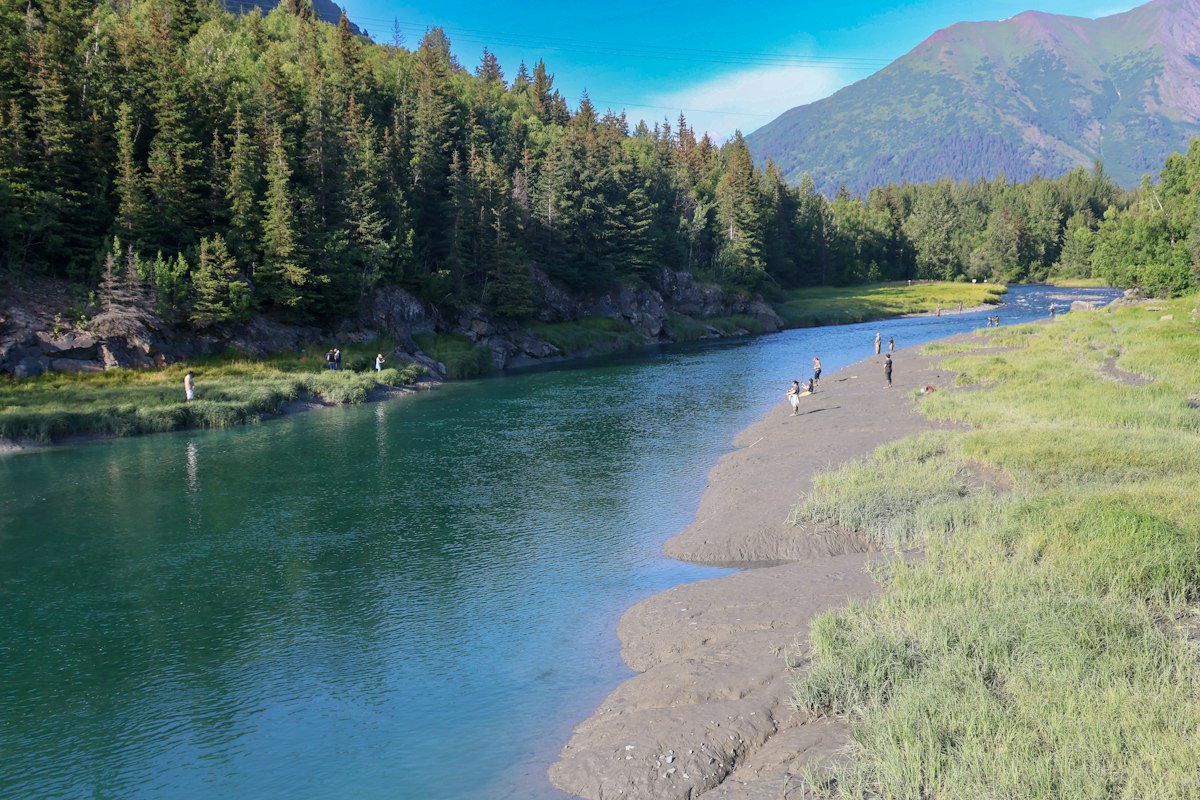
Illustrative fishing photography. Photo credits
Start with the right questions.
A little preparation makes it easier to enjoy the day. Use these questions when comparing options, then confirm the details directly with your guide, operator, or accommodation.
- Choose lodging near verified public access or a confirmed launch.
- Plan one primary fishing approach and a weather backup.
- Check parking, launch hours, local permits, and storage for your gear.
A CLOSER LOOK
Choose an easy base, then explore.
Lodging near the water is appealing, but verify what the location actually allows. Public access, fishing permission, launches, parking, and equipment storage are separate questions. A modest base near a reliable access point may be more useful than a beautiful address with awkward practical arrangements.
Give the weekend a primary plan and a weather alternative. Choose one or two presentations you can organize easily, then reserve time to scout. Leaving the last session slightly shorter can make the journey home calmer and the gear easier to clean and store.
Design the day around the people coming.
Start with the experience your group wants. One person may hope to learn a new technique; another may simply want a relaxed morning outside. Discuss travel time, walking, time aboard, toilets, weather exposure, and whether everyone expects to fish at once. A short, well-matched outing can be more memorable than a longer trip that exhausts half the group.
Write down what a successful day would look like without referring to a catch total. Learning to make a better cast, exploring a new coastline, or sharing a river with someone important are plans you can influence. Fish, wind, water levels, and weather remain outside a booking confirmation's control.
Before paying a deposit
| Confirm | Get a clear answer |
|---|---|
| Time and place | Meeting point, departure time, travel time, and expected return. |
| What is included | Equipment, bait or flies, licenses, meals, transfers, and fish handling. |
| Total cost | Deposit, remaining balance, taxes, extras, and customary gratuities. |
| If plans change | Weather decisions, cancellation deadlines, refunds, and rescheduling. |
Leave room for the unexpected.
Keep travel connections realistic. Allow time to collect a license, buy a missing item, and find the meeting point before the scheduled departure. For a destination trip, avoid making the only fishing day depend on a same-day flight arriving perfectly on time. Ask the operator when they make weather decisions and how they will reach you.
Pack from the operator's actual list instead of bringing every item you own. Label your gear, protect documents from water, and keep essential personal items accessible. If a boat supplies tackle, ask whether bringing your own outfit will be useful or simply take up space.
Questions anglers ask
Is a private trip always better than a shared trip?
A private trip can offer more control over the group and pace. A shared outing may suit someone traveling alone or seeking a lower overall cost. Compare the number of anglers, amount of fishing time, and what is included rather than the label alone.
What should I ask a guide about learning?
Describe one or two things you want to improve. Ask whether the day can include time for instruction, equipment adjustment, and questions. That sets a more useful expectation than simply asking the guide to put you on fish.
A NOTE TO KEEP IN YOUR TACKLE BOX
Waterfront accommodation does not necessarily include permission to fish or launch.
Make the plan concrete.
Ask for a written description of the outing, total cost, what is included, and the cancellation terms. Share your group's experience and accessibility needs before paying. PhoFish provides planning guides; reservations are made directly with operators.
Open your trip checklist ↗Keep learning from the source.
For gear and technique fundamentals, explore Take Me Fishing. For U.S. marine fishing resources, visit NOAA Fisheries. Always check the agency responsible for your exact fishing location for current rules.
